The material · 5 min read
What does oud actually smell like?
Ask five people what oud smells like and you'll get five different answers — smoky, sweet, leathery, medicinal, animalic. They're all right. Here's what's actually in the bottle, and why the real thing is unlike anything else in perfumery.
It starts as an infection in a tree
Oud — also called agarwood — isn't a flower or a spice. It's resin. When an aquilaria tree in South or Southeast Asia is wounded and infected by a particular mould, it defends itself by producing a dark, fragrant resin inside the wood. That resinous heartwood is agarwood, and the oil distilled from it is oud.
Only a small fraction of aquilaria trees ever produce it, the resin takes years to form, and the best material is graded and priced like anything genuinely rare. Gram for gram, high-grade oud oil can cost more than gold — which explains a lot about the perfume aisle.
So what does it smell like?
Real oud is layered. The first impression is woody and resinous — deep, dark, slightly sweet, like a forest floor after rain. Underneath that sits something warmer and stranger: leathery, smoky, faintly animalic notes that perfumers politely call 'barnyard'. It sounds off-putting; on skin, in proportion, it's magnetic. That tension — refined and raw at the same time — is why oud has anchored Middle-Eastern perfumery for centuries.
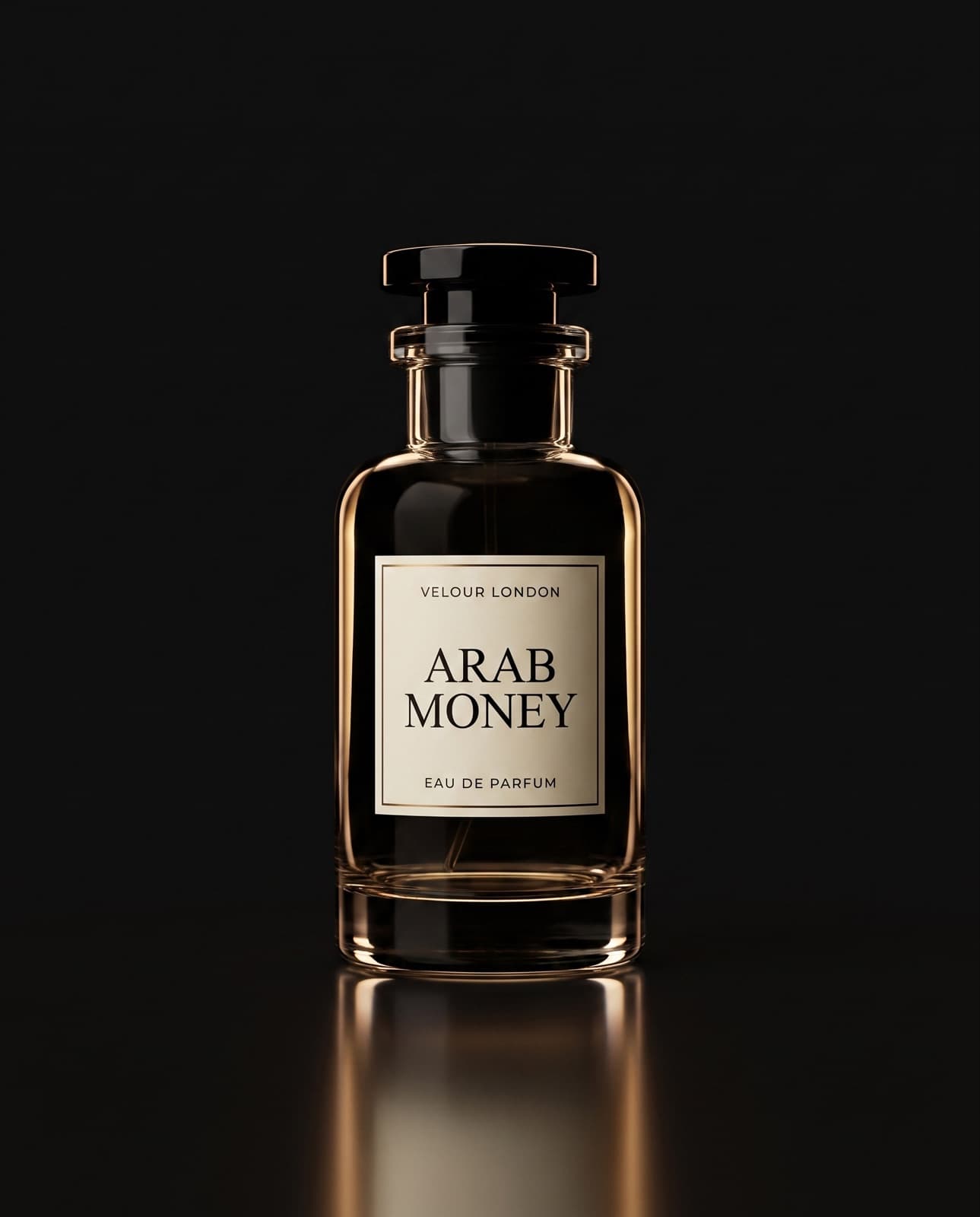
Oud rarely works alone. It's traditionally paired with rose, which lifts and sweetens it; with saffron, which sharpens the opening; and with amber and vanilla, which round the dry-down. Our flagship Arab Money follows exactly that structure — saffron and cinnamon up top, pure oud and rose at the heart, amber and vanilla underneath.
Real oud vs the synthetic impression
Most fragrances with 'oud' on the label contain none. They use synthetic woody-amber molecules that gesture at oud — dark, loud, slightly sharp — without the depth or the evolution of the real material. A synthetic oud smells the same at hour four as it did at minute one. Real oud changes on your skin all night.
That's not snobbery; synthetics have their place. But if you've only ever smelled 'oud' in a high-street bottle, you haven't really smelled oud. We blend with pure oud from established distillers and build each scent around it — you can read our story.
How to wear it
Less than you think. One spray to the chest or each wrist is enough — real oud projects gently but persistently, and it's the scent people lean into rather than the one that arrives before you do. Evenings and colder months flatter it most, though a light hand makes it wearable anywhere.
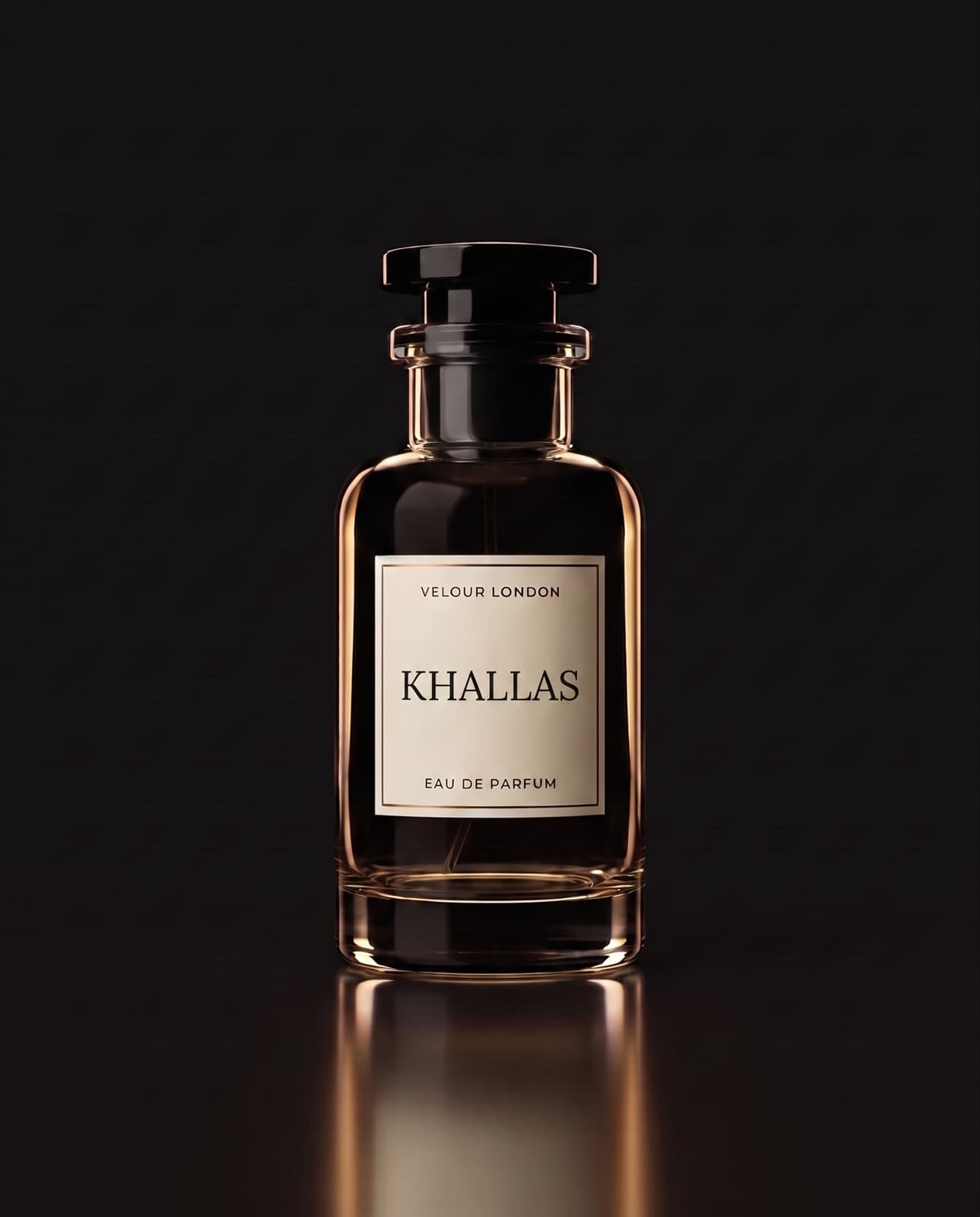
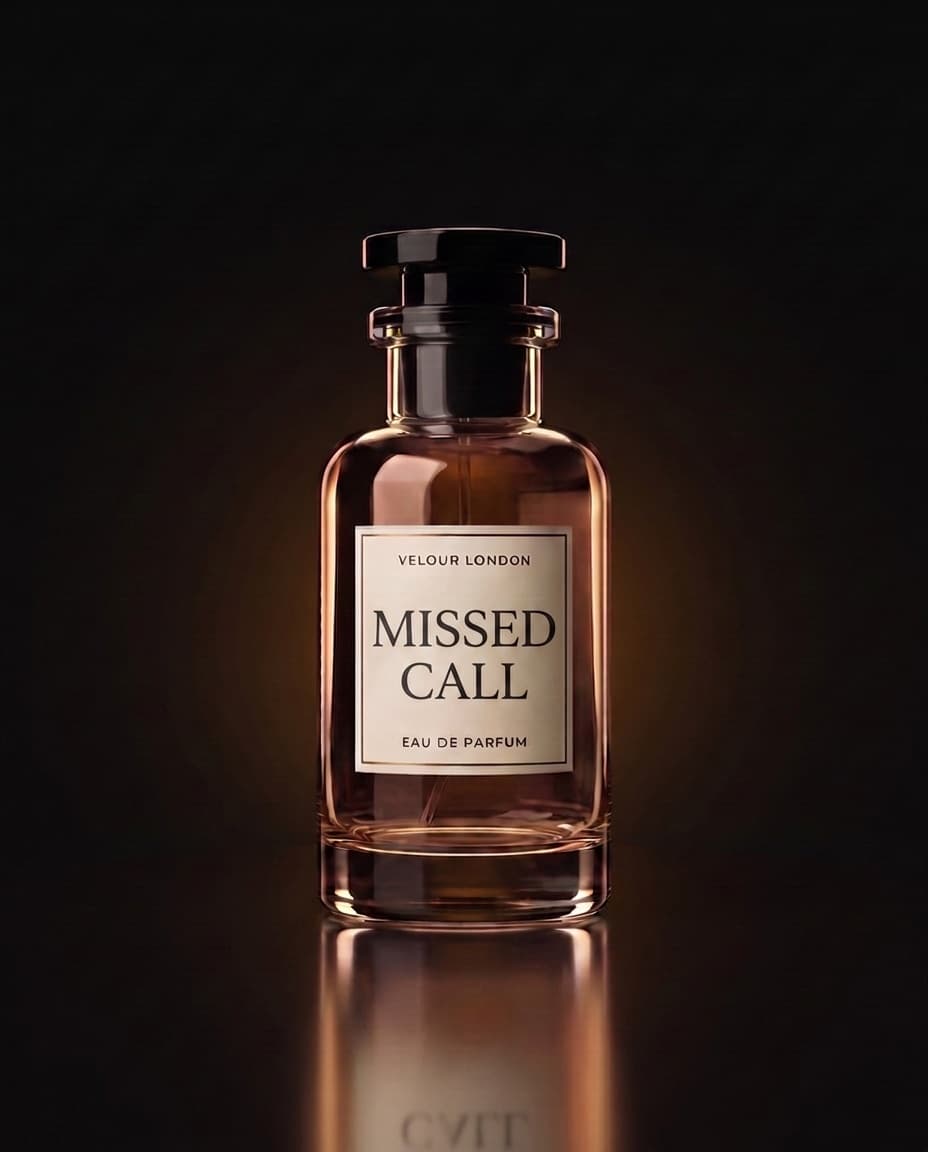
If you're new to oud, start with something structured around it rather than pure oud oil: the rose-oud pairing in Missed Call or the tobacco-leather depth of Khallas are easier doors in.
From the house